The Evolving Craft: My Perspective on Design and Development's Future
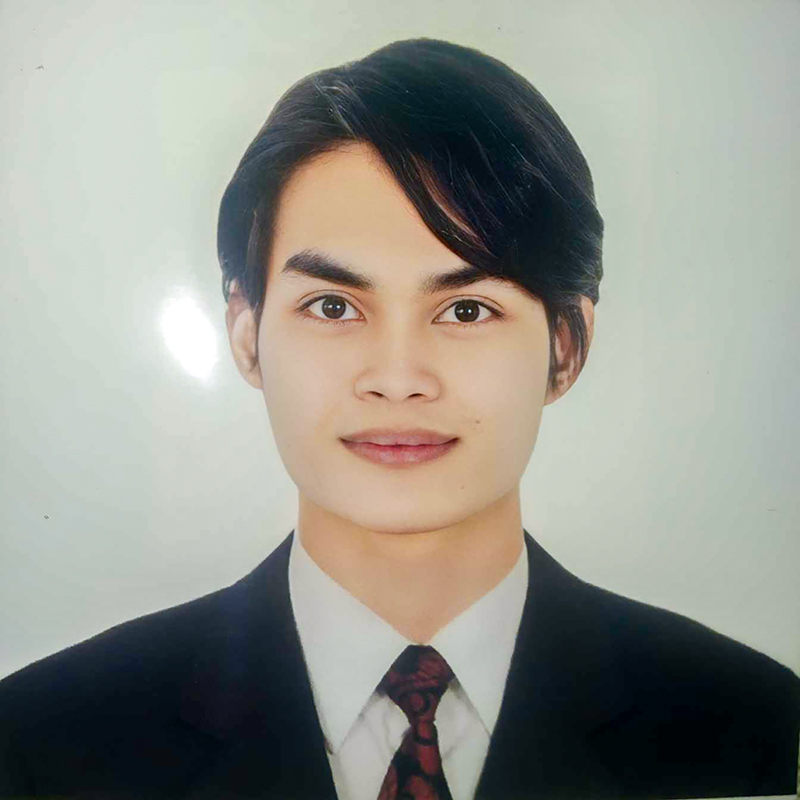 Mark Benson Matanguihan
The Constant Flux of Creation
I remember the early days of building my portfolio, meticulously crafting static HTML and CSS pages, feeling like I was at the cutting edge. Fast forward to today, and the landscape of UI/UX design and software development is a whirlwind of innovation. What was revolutionary yesterday is often standard practice tomorrow, and staying ahead, or even just keeping pace, demands a relentless pursuit of knowledge and a willingness to constantly adapt. This isn't just about learning new frameworks; it's about understanding the underlying shifts in how we approach problem-solving and user experience.
My journey, from the intense AGOS hackathon projects to the diverse demands of freelance work, has consistently reinforced one truth: the only constant in this industry is change. Every new client brief, every personal project I embark on, like refining my own portfolio site built with Next.js and Tailwind, presents an opportunity to either double down on what I know or bravely explore what's next. It’s a challenge I embrace, because the future of our craft isn't just about building; it's about building smarter, more efficiently, and with a deeper understanding of human needs.
Design's New Frontier: Systems, Not Just Screens
The days of designing pixel-perfect, isolated screens are largely behind us. Today, UI/UX design is increasingly about creating robust, scalable design systems. Tools like Figma have revolutionized collaboration, allowing designers and developers to work in tandem, iterating faster and maintaining consistency across complex applications. I've seen firsthand how a well-defined design system, perhaps leveraging components styled with Tailwind CSS, can accelerate development cycles and drastically improve the user experience. It’s not just about aesthetics; it’s about creating a cohesive language for your product.
The future of design isn't just about beautiful interfaces; it's about intelligent, accessible, and intuitive experiences. We're moving towards designs that anticipate user needs, adapt to various contexts, and are inherently inclusive. This means a deeper focus on design principles like usability, accessibility, and information architecture, ensuring that every interaction is meaningful. My freelance projects often involve translating abstract client ideas into tangible, user-centric designs, and it's in this process that the power of a systematic approach truly shines, preventing inconsistencies and technical debt down the line.
Engineering the Experience: The Developer's Evolving Toolkit
On the development side, the pace is equally exhilarating. For web applications, React continues to dominate, but frameworks like Next.js have elevated the game by offering powerful features like server-side rendering and static site generation, which are critical for performance and SEO. I've leveraged Next.js extensively for my portfolio and various client projects, appreciating its ability to deliver highly optimized, fast-loading experiences. The ecosystem around these tools, especially with CSS frameworks like Tailwind, allows for incredible flexibility and speed in building modern interfaces.
Mobile development, too, has seen a significant evolution. While native development remains strong, cross-platform solutions like Flutter are gaining immense traction. I've explored Flutter for personal projects, drawn to its promise of a single codebase for beautiful, performant applications across iOS and Android. This efficiency is a game-changer, especially for startups or solo developers looking to launch quickly. Complementing these frontend innovations are backend services like Firebase, which simplify database management, authentication, and hosting, and platforms like Vercel, which make deployment and scaling almost effortless. The convergence of these tools empowers developers to build and deploy complex applications with unprecedented agility.
Bridging the Divide: The Full-Stack Mindset
What's becoming increasingly clear is the blurring line between design and development. The most effective professionals I've worked with, and those I aspire to be, possess a 'full-stack mindset.' This isn't necessarily about being an expert in every single technology, but rather understanding the entire product lifecycle, from initial UI/UX wireframes in Figma to deployment on Vercel or Firebase. A developer who understands design principles can build more empathetic and intuitive interfaces, just as a designer who grasps technical constraints can create more feasible and efficient solutions. This synergy is crucial for delivering truly exceptional digital products, minimizing friction, and maximizing impact.
My Guiding Principles in a Rapidly Changing Landscape
Amidst all this technological evolution, my core philosophy remains steadfast. Persistence is paramount; there will always be bugs, design challenges, and moments of frustration. I recall a particularly stubborn layout issue during the AGOS hackathon that nearly derailed our progress, but a persistent, methodical approach eventually led to a breakthrough. Craftsmanship is another pillar – it's about paying attention to detail, writing clean code, and designing with intention, not just meeting requirements. This commitment to craft is what elevates a good project to a great one, whether it's a personal portfolio piece or a demanding freelance engagement.
Clarity in communication, especially with clients, is non-negotiable. It’s about setting realistic expectations and then striving to underpromise and overdeliver. This approach has built trust and fostered long-term relationships in my freelancing career. The future of design and development isn't just about the tools we use, but the mindset we bring to the table. It's about continuous learning, yes, but also about applying timeless principles of problem-solving, empathy, and dedication to every line of code and every pixel on the screen.
The Road Ahead: Build, Learn, Adapt
The future of design and development isn't a destination; it's a continuous journey of discovery and creation. The tools will change, the trends will shift, but the fundamental drive to build meaningful experiences will endure. So, whether you're deep into UI/UX design, honing your software development skills with React or Flutter, or navigating the complexities of freelancing and startup journeys, remember that every challenge is an opportunity to learn, adapt, and refine your craft. Don't just observe the future; be an active participant in shaping it. Keep building, keep experimenting, and keep pushing the boundaries of what's possible.
Tags
About Mark Benson Matanguihan
Developer & Content Creator